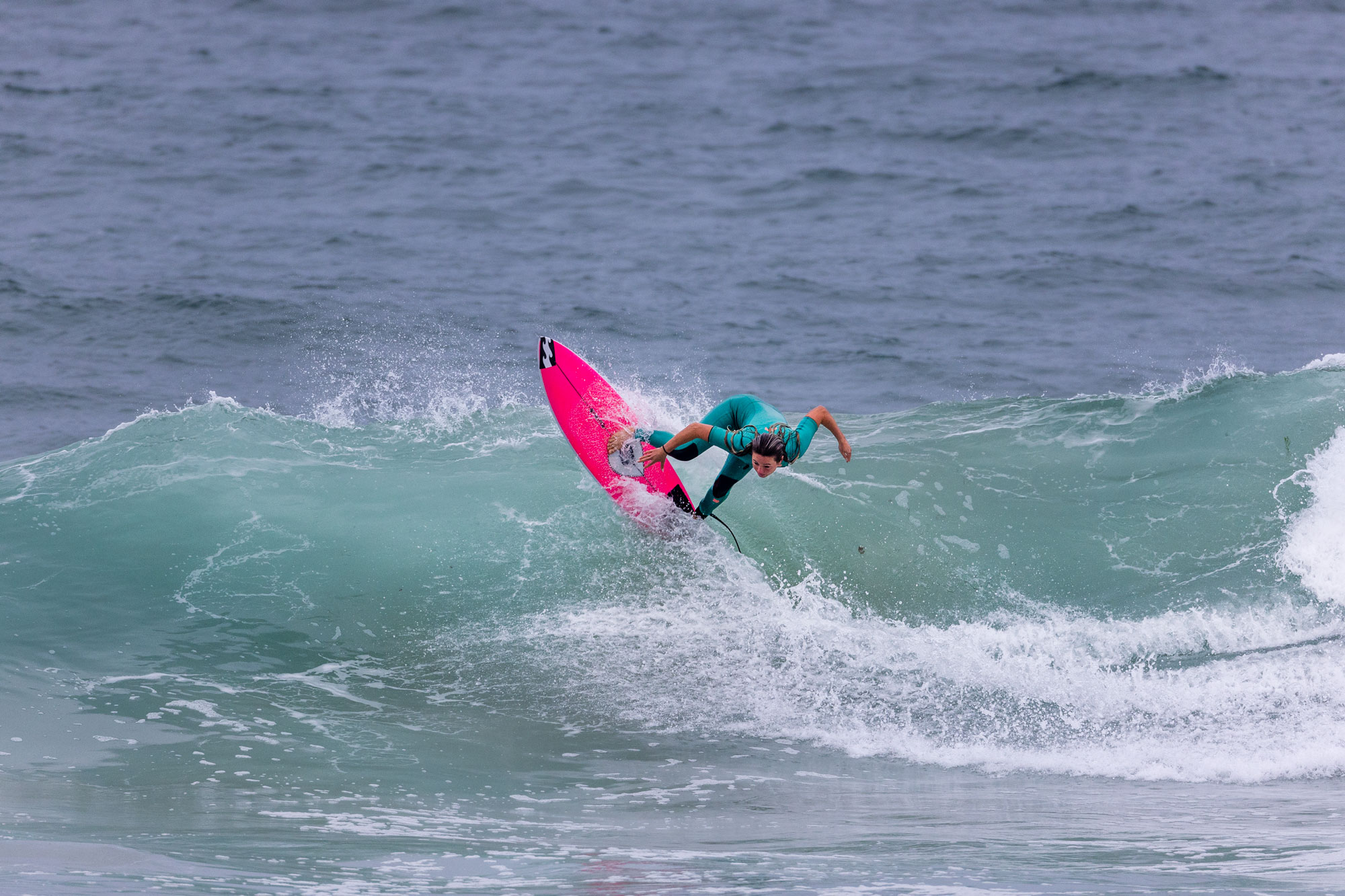
- Why Morocco for Your First Surf Trip?
- When to Go — Choosing Your Season
- Where to Stay — Taghazout, Tamraght, or Imsouane?
- Booking Your Flights
- Visas & Entry Requirements
- Money, SIM Cards & Practicalities
- What to Pack — The Definitive List
- What to Expect on Day One
- A Typical Week at a Moroccan Surf Camp
- Common First-Timer Mistakes
- Pre-Departure Timeline
- Before You Go Checklist
- Frequently Asked Questions
Why Morocco for Your First Surf Trip?
Morocco is, quite simply, one of the best places on Earth for a first surf trip. The combination of consistent waves, affordable prices, short flights from Europe, warm hospitality, and a well-developed surf infrastructure makes it an unbeatable destination for first-time surf travellers. Unlike the expensive, often intimidating surf scenes of Hawaii or Australia, Morocco welcomes beginners with open arms — and with hundreds of surf camps dedicated specifically to first-time visitors.
The country also offers something rare: variety. In one week, you can surf mellow, sand-bottomed beach breaks at Banana Beach, long peeling point breaks at Anchor Point (when you are ready), and the world's longest rideable wave at Imsouane Bay. Back on land, you eat tagine on a rooftop at sunset, explore the souks of Agadir, and drink mint tea with surfers from a dozen different countries. It is a complete experience — not just a surf trip.
Morocco is often called "Europe's surf playground" — direct flights from London, Paris, Warsaw, Berlin, and Amsterdam reach Agadir in 3–4 hours. You can leave a cold European winter morning and be surfing in warm(ish) Moroccan sunshine by lunchtime.
When to Go — Choosing Your Season
Morocco's surf seasons are defined by the North Atlantic storm cycle. Choosing the right season for your first trip is critical:
| Season | Wave Size | Water Temp | Crowds | Price | Best For |
|---|---|---|---|---|---|
| Dec–Feb (Winter Peak) | 4–10 ft+ | 16–17°C | Busy | High | Experienced surfers; too much for beginners |
| Mar–Apr (Spring Shoulder) | 3–6 ft | 17–19°C | Moderate | Mid | Best all-round: great waves, fewer crowds |
| May–Sep (Summer) | 1–4 ft | 20–23°C | Low | Low (20–30% less) | Beginners & Intermediates |
| Oct–Nov (Autumn Shoulder) | 3–8 ft | 18–21°C | Moderate | Mid | Excellent: consistent swell, warm weather |
Our recommendation for first-timers: March to April or October to November. You get consistent, rideable waves without the full winter power, pleasant weather, warm-enough water, and half the crowds of peak winter. Prices are lower, and the overall experience is more relaxed.
If you are an absolute beginner, consider May or June. The waves are small and forgiving, the water is warm enough to surf in boardshorts, and the camps are quieter — meaning more one-on-one attention from instructors. You will not get the epic overhead days, but you will learn faster and have a more comfortable experience.
Where to Stay — Taghazout, Tamraght, or Imsouane?
Your choice of base shapes your entire trip. Here is the short version:
- Taghazout: The classic choice. Famous lineups, 15+ cafés and restaurants, vibrant social scene, iconic Anchor Point backdrop. Best for surfers who want a lively atmosphere and access to the widest variety of breaks. Can feel busy and touristy in peak winter.
- Tamraght: The authentic alternative. A traditional Berber village 10 minutes south of Taghazout. Quieter, more laid-back, with equally good surf access. Excellent for families, couples, and anyone seeking a more genuine Moroccan experience. Camp prices are generally 10–20% lower.
- Imsouane: The laid-back longboard haven. A sleepy fishing village 90 minutes north, home to the longest rideable wave in Africa. Ideal for beginners (The Bay) and longboarders. Limited variety of spots and fewer cafés/restaurants, but the vibe is wonderfully slow.
Here is a secret most guidebooks miss: staying in Tamraght gives you the best of both worlds. You are 10 minutes from Taghazout's lineups and cafés, but you wake up to panoramic ocean views from a quiet hillside terrace, and your riad costs less. Many seasoned Morocco surf travellers start in Taghazout and end up returning to Tamraght.
Booking Your Flights
Agadir Al-Massira Airport (AGA) is your gateway. Direct flights connect from:
- UK: London (Gatwick, Stansted, Luton) — Ryanair, easyJet, TUI (3.5–4 hours)
- France: Paris (Orly, CDG), Lyon, Marseille, Bordeaux — Transavia, Ryanair, Royal Air Maroc (3 hours)
- Poland: Warsaw, Krakow, Wroclaw — Ryanair, Wizz Air (4–5 hours)
- Germany: Berlin, Dusseldorf, Frankfurt — Ryanair, Condor (4 hours)
- Netherlands: Amsterdam — Transavia, Royal Air Maroc (3.5 hours)
- Belgium: Brussels — Ryanair, TUI fly (3.5 hours)
- Spain: Barcelona, Madrid (2–3 hours)
Book flights 6–8 weeks ahead for the best prices. Winter flights fill up quickly — do not wait until November to book a December trip. Round-trip fares from Europe typically range from €80 to €350 depending on season, airline, and how early you book. Some surf camps can arrange flights for you as part of a package — ask when booking.
Visas & Entry Requirements
Citizens of the EU, UK, USA, Canada, Australia, New Zealand, Japan, South Korea, and many other countries do not need a visa for stays up to 90 days. Your passport must be valid for at least 6 months from your date of entry. Upon arrival, you will fill in a simple landing card. Always confirm the latest requirements with the Moroccan embassy or consulate in your country before travelling — visa rules can change.
Money, SIM Cards & Practicalities
Money
The Moroccan Dirham (MAD) is the local currency. As of 2026, €1 ≈ 10.5 MAD, $1 ≈ 9.8 MAD. Cash is king — bring euros or dollars and exchange at the airport or in Agadir. ATMs are available in Taghazout and Agadir but can run out on busy weekends. Credit cards are accepted at larger hotels, riads, and surf camps but rarely at small cafés or local markets.
Budgeting
A mid-range surf camp package (accommodation, meals, coaching, equipment, transport) costs €450–750 per week. Add flights (€80–350 return), travel insurance (€30–60/week), tips (€30–50/week), and spending money (€50–100/week for extra drinks, souvenirs, activities). Total: roughly €600–1,500 per person for a week, all-in.
SIM Cards
Buy a Moroccan SIM card at Agadir airport upon arrival. Maroc Telecom has the best coverage along the surf coast. Expect to pay 100–200 MAD (€10–20) for a tourist SIM with 10–20 GB of data. You will need your passport to register the SIM. Most surf camps have Wi-Fi, but a local SIM is invaluable for checking surf forecasts on the beach.
What to Pack — The Definitive List
| Category | Items |
|---|---|
| Surf Gear | Wetsuit (4/3mm winter, 3/2mm summer), reef booties, surf wax, spare leash, ear plugs, zinc sunscreen (SPF50+) |
| Clothing | Board shorts/bikini, rash vest, cover-up or sarong (for villages), light trousers, t-shirts, hoodie or light jacket (winter evenings), sandals |
| Health | Travel insurance (with surf cover), basic first-aid kit (plasters, antiseptic, ibuprofen), any prescription medication, rehydration sachets |
| Practical | Passport (6+ months validity), travel documents (printed + digital), reusable water bottle, universal power adapter (European Type C/E), power bank |
| Nice to Have | GoPro/phone waterproof case, dry bag, small daypack, book or Kindle, travel towel, reusable shopping bag |
Reef booties are not optional at Taghazout's point breaks. The reef at Anchor Point and Killer Point has cut more feet than any other hazard on this coast. Pack them even if you think you will not need them — you will.
What to Expect on Day One
Your first day in Morocco follows a familiar rhythm. You land at Agadir airport, where a camp driver waits with a sign bearing your name. The 45-minute drive to Taghazout takes you past argan trees, dusty villages, and the first glimpses of the Atlantic. You arrive at your riad, are shown to your room, and are offered mint tea — accept it. It is a ritual.
Your guide or camp manager gives you a brief orientation: meal times, surf schedule, how the camp operates. You are introduced to your fellow guests over lunch. In the afternoon, depending on your arrival time, you may have an assessment surf session where the instructor evaluates your level. By sunset, you are on the rooftop with your new crew, watching the sky turn orange over the Atlantic, wondering why you did not do this years ago.
A Typical Week at a Moroccan Surf Camp
Every camp is different, but this is the shape most weeks follow:
- Day 1 (Arrival): Airport transfer, check-in, orientation, assessment surf or free time, welcome dinner.
- Day 2–6 (Surf Days): Wake 7 AM. Breakfast. Guide announces the day's spot. Morning session (2–3 hours coached). Beach lunch. Afternoon free surf or rest. Evening theory, video analysis, or yoga. Dinner around 8 PM.
- Day 7 (Departure): Final breakfast. Souvenir shopping. Transfer to Agadir airport. Already planning your return.
You will typically surf twice a day (morning and afternoon), visiting different breaks based on conditions. At some camps, one afternoon is dedicated to a non-surf activity — a trip to Paradise Valley, a hammam visit, or a souk excursion in Agadir.
Common First-Timer Mistakes
- Overestimating your level. The single most common mistake. Telling a camp you are "intermediate" when you cannot catch unbroken waves sets you up for a week of frustration. Be honest.
- Not packing booties. We have said it before; we will say it again. The reef does not care about your holiday photos.
- Forgetting cash. ATMs in Taghazout run out on weekends. Bring enough cash for your first few days and exchange at the airport.
- Booking too late. The best camps for winter season fill up by October. Book 2–3 months ahead for December–February.
- Skipping travel insurance. A cut foot from reef, a dislocated shoulder, or a stomach bug can ruin your trip — and your finances — without insurance.
- Not bringing a reusable water bottle. Morocco has a serious plastic waste problem. Do not contribute to it. Every camp provides filtered water for refills.
- Expecting European punctuality. Things run on "Moroccan time". The scheduled 8 AM departure might be 8:30 AM. Relax — you are on holiday.
"The surfers who have the best time here are the ones who arrive with an open mind. Do not compare everything to home. Embrace the chaos of the souk, the rhythm of the call to prayer, the unhurried pace of a rooftop sunset. That is the real Morocco — and it is why people come back year after year."
— Hassan, SurfAgencyMorocco guide
Pre-Departure Timeline
Research and book your surf camp. Confirm dates. Check passport validity (6+ months). Start looking at flights.
Book flights to Agadir (AGA). Arrange travel insurance. Start a basic fitness routine — paddling fitness makes a huge difference.
Confirm all camp details. Check if airport transfer is included. Start gathering gear — wetsuit, booties, sunscreen.
Exchange some euros to MAD (or plan to at the airport). Download surf forecast apps. Print travel documents.
Pack your bags. Send flight details to the camp. Check the long-range swell forecast and get excited.
Double-check: passport, insurance documents, camp contact number, flight confirmation. Charge all devices.
Fly to Agadir. Look for your camp's driver at arrivals. Your Moroccan surf adventure begins now.
Before You Go Checklist
- Book surf camp (2–3 months ahead for winter, 1 month for summer)
- Book flights to Agadir (AGA) — round-trip
- Check passport validity (must have 6+ months remaining)
- Buy travel insurance that covers surfing
- Pack wetsuit, booties, zinc sunscreen, reusable water bottle
- Exchange currency — bring cash (EUR) to exchange in Morocco
- Download Windy + Surfline apps for surf forecasts
- Print or screenshot travel documents (insurance, camp booking, flight details)
- Send flight number and arrival time to the camp for airport pickup
- Learn three Darija words: Salam, Labas?, Shukran
Frequently Asked Questions
Ready to Plan Your First Surf Trip to Morocco?
Skip the guesswork. Book a guided surf trip with our local team and let us handle everything — from airport pickup to daily spot selection. From €550 for 8 days all-inclusive.
Last content review: July 2026. This article is periodically reviewed by our team of Moroccan surf guides.
Information that may change over time: Flight routes and airlines change seasonally — always check current schedules. Visa requirements may change — verify with your local Moroccan embassy. Currency exchange rates fluctuate. SIM card prices and data packages are approximate 2026 figures. Camp prices are estimates and vary by season and specific package.
We recommend: Always confirm flight schedules directly with airlines. Check visa requirements 2 months before travel. Exchange some currency before arrival or at the airport. Book your surf camp well in advance for peak winter season.
Related Articles
How to Choose a Surf Camp in Morocco
Compare Taghazout vs Tamraght vs Imsouane — find the perfect camp for your level and budget.
How to Read a Surf Forecast for Morocco
Learn to read swell, wind, and tides — know when the waves will be firing.
Equipment Guide — What to Bring
Complete packing list for a Moroccan surf trip — boards, wetsuits, and what not to forget.