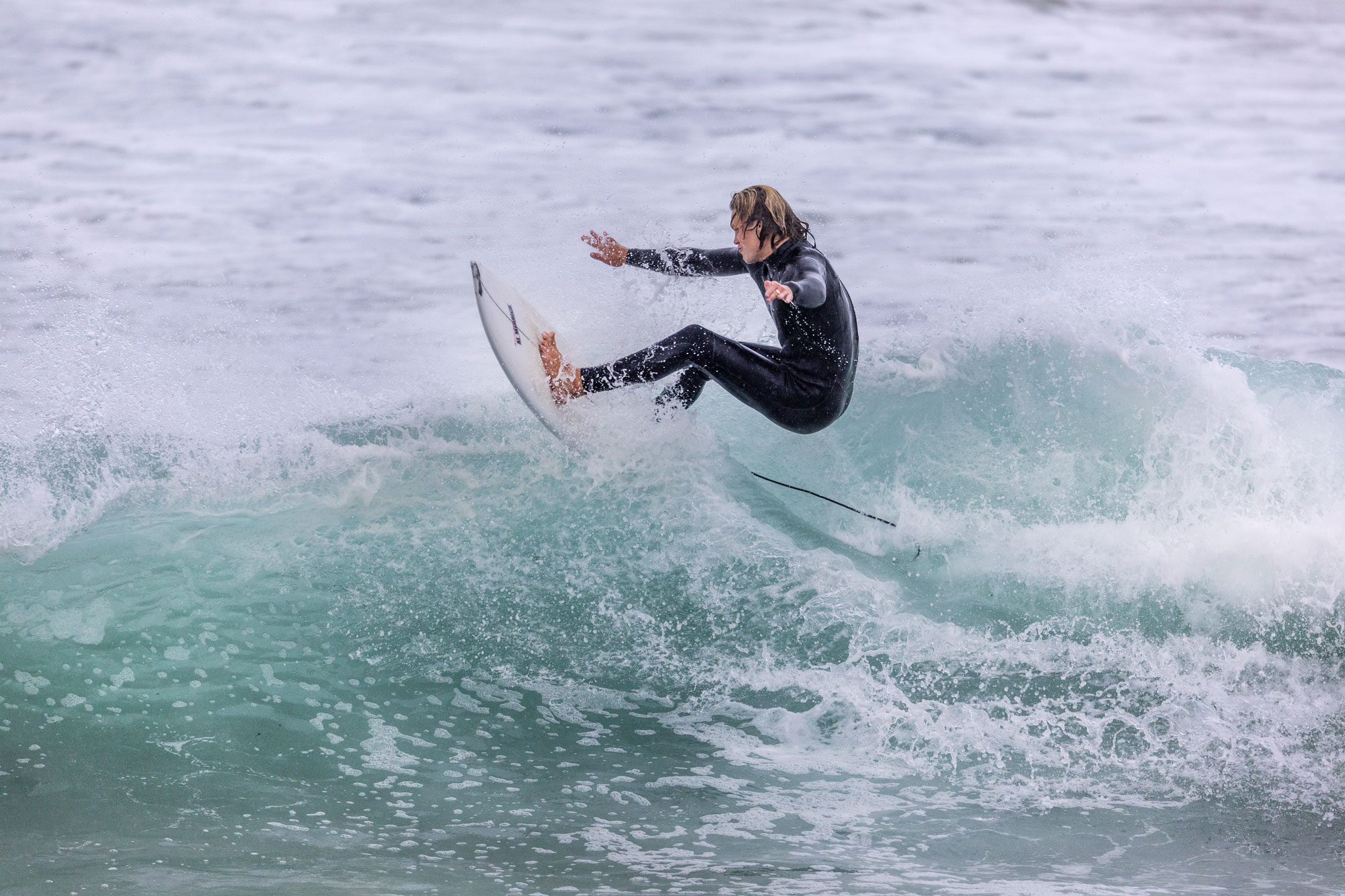
- Why Book a Surf Camp in Morocco?
- 8 Key Factors to Consider
- Taghazout vs Tamraght vs Imsouane — Camp Comparison
- Camps by Surfing Level
- Understanding Pricing — What You Actually Get
- Red Flags — What to Avoid
- Questions to Ask Before Booking
- Best Season to Book Each Type of Camp
- Solo Travellers, Couples & Groups
- Your Booking Timeline
- Surf Camp Booking Checklist
- Frequently Asked Questions
Why Book a Surf Camp in Morocco?
Morocco has one of the highest concentrations of surf camps in the world. The stretch of coast between Agadir and Imsouane — barely 80 kilometres — is home to hundreds of camps, schools, and surf-oriented guesthouses. The reason is simple: consistent waves year-round, affordable prices compared to Europe, and a welcoming culture that embraces travelling surfers.
Booking a surf camp rather than going solo offers distinct advantages. Camps provide daily transport to the best breaks based on conditions — something that is almost impossible to replicate on your own without extensive local knowledge. They supply quality boards and wetsuits, eliminating the headache of airline board fees and gear logistics. They connect you with local guides who know every rock, every tide, and every face in every lineup. And they offer a social experience — shared meals, rooftop sunsets, and the camaraderie of a group who share your obsession with waves.
8 Key Factors to Consider
1. Your Surf Level
This is the most important filter. A camp that excels at teaching beginners may bore an advanced surfer to tears. Conversely, an advanced camp will not teach you to pop up. Be honest about your level — "intermediate" means different things to different camps. Describe your actual experience: "I can paddle out back, catch green waves unassisted, and ride down the line" is clearer than "intermediate".
2. Location — Taghazout vs Tamraght vs Imsouane
Each village has a distinct character. See the comparison table below for a full breakdown.
3. Group Size & Instructor Ratio
The single biggest determinant of how much you will improve. A ratio of 4–6 surfers per instructor is ideal. 8 per instructor is acceptable. Anything above 10 means you are getting crowd control, not coaching. Ask explicitly: "What is your maximum group size per instructor?"
4. Coaching Quality
Not all surf instructors are created equal. Local Moroccan guides who have surfed these breaks their entire lives bring knowledge that no international instructor can match. Look for camps that employ ISA or locally certified instructors, offer video analysis, and conduct both in-water coaching and theory sessions. Beware of camps where the "instructor" is just a strong surfer with no teaching qualifications.
5. Accommodation Style
Options range from shared dorm rooms in surf hostels (€20–30/night) to private rooms in traditional riads (€40–80/night) to luxury villas with pools and rooftop yoga decks (€80–150+/night). Decide whether you want a social atmosphere or privacy, and whether a rooftop terrace with ocean views matters to you.
6. Food Quality
Moroccan cuisine is one of the great pleasures of a surf trip here. The best camps serve home-cooked tagines, fresh salads, grilled fish, and hearty breakfasts with msemen (Moroccan pancakes), eggs, and fresh fruit. Ask if the camp accommodates dietary requirements. A camp that serves the same couscous five nights a week is cutting corners.
7. Transport to Spots
This is non-negotiable. Any decent surf camp includes daily transport to different breaks based on the day's conditions. A camp that takes guests to the same beach every day regardless of swell, wind, and tide is not a real surf camp — it is a guesthouse near a beach. Confirm: "Do you choose the daily spot based on conditions, or do you always go to the same beach?"
8. Seasonal Timing
The camp you choose should match the season you are visiting. Winter camps (Dec–Feb) should be equipped for cold water (4/3mm wetsuits) and big swell. Summer camps (May–Sep) should offer lighter wetsuits and focus on smaller-wave coaching. Spring and autumn are the most versatile.
Taghazout vs Tamraght vs Imsouane — Camp Comparison
| Feature | Taghazout | Tamraght | Imsouane |
|---|---|---|---|
| Vibe | Lively surf hub, international crowd | Quiet Berber village, authentic local feel | Sleepy fishing village, laid-back longboard culture |
| Best For | Intermediate–Advanced | All levels, especially Beginner–Intermediate | Beginners & Longboarders |
| Surf Spots Access | 10+ breaks within 15 min drive | 8+ breaks within 10 min drive | The Bay & Cathedral, limited variety |
| Café/Restaurant Scene | Excellent — 15+ cafés, restaurants, rooftop bars | Good — several local cafés, fewer tourist options | Limited — a handful of local spots |
| Nightlife | Vibrant — bars, live music, social hostels | Quiet — local cafés close early | Very quiet — mostly camp social life |
| Camp Prices | €400–1,200/week | €300–900/week | €250–800/week |
| Non-Surf Activities | Yoga, hammam, day trips to Paradise Valley | Hiking, camel rides, argan oil cooperatives | Fishing trips, coastal walks, genuine fishing culture |
| Internet | Good — most camps have fibre/Wi-Fi | Decent — Wi-Fi at most camps | Variable — can be slow, especially in winter |
| Airport Distance | 45 min from Agadir (AGA) | 40 min from Agadir (AGA) | 90 min from Agadir (AGA) |
| Best Season | Oct–Apr (winter peak) | Year-round, best Mar–Nov | Oct–Apr for Cathedral, year-round for The Bay |
If you are torn between Taghazout and Tamraght, know this: they are only 10 minutes apart by car. Many camps in Tamraght take guests to Taghazout breaks when conditions are right, and vice versa. The real question is where you want to wake up: amidst the buzz of Taghazout or the tranquillity of a hillside Tamraght terrace.
Camps by Surfing Level
- Complete Beginners (<1 year): Prioritise safety, small groups, and patient instructors. Choose camps that use foam boards on sand-bottomed beaches (Imsouane Bay or Banana Beach). Avoid point-break camps — you are not ready for Anchor Point.
- Improving Intermediates (1–3 years): Look for camps offering video analysis and technique-focused coaching. You want instructors who can help you progress beyond the whitewater — reading waves, generating speed, and basic turns. Tamraght and Taghazout camps work well.
- Confident Intermediates (3–5 years): You are ready for point breaks on smaller days. Choose camps that offer a mix of beach and point break sessions, and that include transport to Anchor Point and Killer Point when conditions suit your level.
- Advanced (5+ years, comfortable overhead): Seek out camps that specifically advertise advanced or progressive coaching. You want guided dawn patrols at premier breaks, video analysis, and instructors who can critique technique at a high level.
Understanding Pricing — What You Actually Get
Moroccan surf camp pricing can be opaque. Here is what to expect at each price tier:
| Tier | Price/Week | Accommodation | Food | Coaching | Equipment |
|---|---|---|---|---|---|
| Budget | €250–400 | Shared dorm (4–8 beds) | Breakfast + dinner (basic) | Group (8–12 per instructor) | Basic foam boards |
| Mid-Range | €450–750 | Private/shared room in riad | Full board (Moroccan cuisine) | Small group (4–8 per instructor) | Quality boards + wetsuits |
| Premium | €650–1,200 | Private room, luxury riad/villa | Full board (chef-prepared) | Small group + video analysis | Premium boards, multiple options |
Red Flags — What to Avoid
- No conditions-based spot selection. If the camp always goes to the same beach regardless of swell, it is not a surf camp — it is a hotel near a beach.
- Vague or non-existent group size information. If the website does not tell you the maximum students per instructor, it is probably too high.
- No mention of instructor qualifications. "Experienced surfer" is not the same as "qualified surf instructor".
- Prices that seem too good to be true. A week of accommodation, food, coaching, equipment, and transport for €199? Corners are being cut — probably on everything.
- No photos of the actual accommodation. Stock images of Moroccan riads do not count. If they will not show you where you will sleep, walk away.
- No recent reviews. Every camp has some negative reviews — that is normal. A total absence of reviews, or only suspiciously glowing ones, is a warning sign.
In recent years, "fake surf camps" have appeared — essentially unlicensed operators renting a house and calling it a surf camp. Always verify that the camp has a registered business, liability insurance, and qualified instructors. A legitimate camp will provide this information willingly.
Questions to Ask Before Booking
- "What is the maximum number of surfers per instructor?"
- "Do you choose the daily surf spot based on conditions, or is it fixed?"
- "What qualification do your instructors hold?"
- "Are you a registered business with liability insurance?"
- "Can you send me photos of the exact room I would stay in?"
- "What is included in the price, and what costs extra?"
- "Is airport transfer included?"
- "What is your cancellation policy?"
- "Do you have surfboards suitable for my level and size/weight?"
- "Can you put me in touch with a recent guest who surfed at my level?"
Best Season to Book Each Type of Camp
- Beginner Camps: May–September (warm water, small waves, lowest prices) or March–April/October–November (mild weather, manageable waves, good value).
- Intermediate Camps: October–November and March–April are ideal — consistent swell without the full winter power, pleasant weather, and fewer crowds than peak winter.
- Advanced Camps: December–February for the biggest swells and best point-break conditions. Book 2–3 months ahead.
- Best Value Overall: March–April and October–November. You get 80% of the wave quality of winter at 60–70% of the price, with far fewer crowds.
Solo Travellers, Couples & Groups
- Solo travellers: Most Moroccan surf camps are built around the solo traveller experience. Communal meals, shared rooms, and group surf sessions make it incredibly easy to meet people. Some camps now offer private rooms at a small supplement.
- Couples: Look for camps with private double rooms, ideally with en-suite bathrooms and perhaps a rooftop terrace. Taghazout riads with ocean views are especially romantic. Confirm the room type before booking.
- Groups (4+): Many camps offer group discounts. You may be able to negotiate a private instructor for your group if you book together. Groups should spread out in the lineup — do not dominate a single peak.
"I have seen guests arrive as complete strangers and leave as lifelong friends. That is the magic of a good Moroccan surf camp — the waves bring you here, but the people make you want to come back."
— Youssef, SurfAgencyMorocco guide
Your Booking Timeline
Research camps. Define your budget, level, preferred location. Shortlist 3–5 camps and read their recent reviews.
Contact your shortlisted camps. Ask the 10 questions from this guide. Request photos of the actual accommodation.
Book your chosen camp. Pay the deposit (typically 20–30%). Get written confirmation of what is included. Book flights to Agadir.
Confirm all details with the camp. Buy travel insurance (ensure surfing is covered). Arrange any visas if needed.
Start packing. Download forecast apps. Confirm airport transfer time with the camp. Exchange some currency to MAD.
Check the long-range surf forecast. Get excited. Send the camp your flight number for the airport pick-up.
Fly to Agadir. Look for the camp driver holding a sign at arrivals. Your Moroccan surf adventure begins.
Surf Camp Booking Checklist
- Define your surfing level honestly — do not overestimate your ability
- Decide on location: Taghazout (lively), Tamraght (quiet), or Imsouane (laid-back)
- Set your budget and understand what each price tier includes
- Check group size — maximum 8 per instructor is acceptable
- Verify instructor qualifications — local knowledge + teaching certification
- Confirm daily transport to different breaks (not fixed to one beach)
- Ask about video analysis and feedback if you want to improve
- Read recent reviews from surfers at your level — not just 5-star ratings
- Get written confirmation of everything included in the price
- Buy travel insurance that specifically covers surfing
Frequently Asked Questions
Ready to Find Your Perfect Surf Camp?
Our team lives and surfs on this coast. We know every camp, every break, and every guide. From €550 for 8 days including accommodation, meals, coaching, and transport.
Last content review: July 2026. This article is periodically reviewed by our team of Moroccan surf guides.
Information that may change over time: Surf camp prices are 2026 estimates and vary by season, availability, and the specific package. Camp availability and quality change — always check recent reviews. Flight routes to Agadir change seasonally. Currency exchange rates affect the effective cost for international visitors.
We recommend: Always contact a camp directly before booking. Ask the questions listed in this guide. Read reviews from surfers at your skill level. Do not book based on price alone — the cheapest camp may deliver the poorest experience.
Related Articles
Planning Your First Surf Trip to Morocco
When to go, what to pack, visas, money, SIM cards — the complete first-timer guide.
Morocco Surf Etiquette
Local rules, lineup respect, and how to earn respect from Moroccan surfers.
Best Surf Camps in Taghazout (2026)
Honest comparison of the top-rated surf camps — prices, coaching, and what’s included.