- What Is Anchor Point?
- Wave Characteristics & How It Breaks
- Best Swell, Tide & Wind for Anchor Point
- What Skill Level Do You Need?
- Best Seasons to Surf Anchor Point
- How to Get to Anchor Point
- The Lineup — Local Etiquette & Crowd
- Hazards & What to Watch Out For
- What Board & Equipment to Bring
- Local Tips from Our Moroccan Guides
- Other Waves Nearby
- The Perfect Anchor Point Day
- Anchor Point Trip Checklist
- Frequently Asked Questions
What Is Anchor Point?
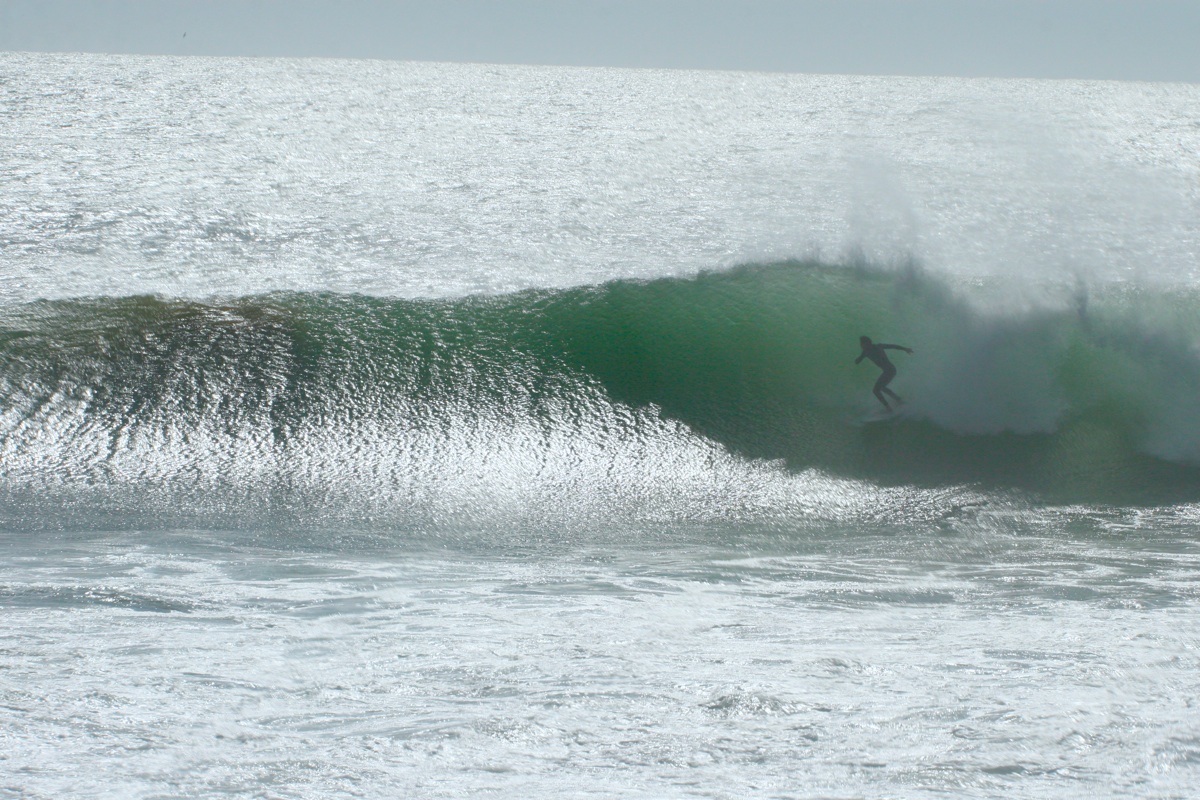
Anchor Point is the most famous wave in Morocco and arguably the best point break in Africa. Located on the northern edge of Taghazout, this right-hand point break peels over a rock and sand bottom for up to 500 metres on its best days — typically producing long, workable walls that attract surfers from Europe, Australia, and beyond.
According to local tradition, the wave was named after a large anchor that used to be visible on the rocks near the take-off zone. Local fishermen used the point as a landmark long before surfers discovered it in the 1960s. Today, Anchor Point sits firmly on the global surf map, frequently appearing in surf magazines and video parts alongside renowned breaks like Jeffreys Bay and Mundaka.
What makes Anchor Point special is its consistency. Between October and April, the North Atlantic reliably delivers groundswell that wraps into the bay, generally producing rideable waves on most days during the winter season. On a classic day — head-high to double overhead, clean offshore wind, a rising mid-tide — Anchor Point offers one of the longest, most satisfying point-break rides in the world.
Local legend holds that the anchor was from a Spanish galleon that wrecked on this stretch of coast centuries ago. While the original anchor is no longer visible — and the galleon story is impossible to verify — local fishermen still refer to the area by its traditional Amazigh name.
Wave Characteristics & How It Breaks
Anchor Point is a right-hand point break that works best on a northwest swell. The wave breaks in three distinct sections, and understanding how they connect is key to scoring a long ride.
The Take-Off Zone (Outside Section)
The wave starts on the outside, peeling off a rock shelf near the base of the cliff. On bigger days (4–6 ft+), the take-off is steep and fast — you need to commit early and get to your feet quickly. The wave jacks up over a shallow reef shelf, so holding a high line through the drop is essential.
The Mid-Section (The Workable Wall)
After the initial drop, the wave transitions into a long, sloping wall that offers plenty of face for carving, cutbacks, and floaters. This is the most forgiving section of the wave and where intermediate surfers can get their best rides. The wall typically runs for 100 to 200 metres before reaching the inside.
The Inside Section (Reform & Shorebreak)
As the wave approaches the beach, it often backs off before reforming into a shorter, punchier section near the shore. On the right tide, this inside reform can provide a fun second hit — a short barrel or a quick turn before kicking out onto the sand.
Best Swell, Tide & Wind for Anchor Point
Like any world-class wave, Anchor Point has its ideal conditions. Understanding these will dramatically increase your chances of scoring it at its best.
| Condition | Optimal | Acceptable | Poor |
|---|---|---|---|
| Swell Direction | NW (300°–320°) | WNW (290°–300°) | SW or N |
| Swell Size | 4–8 ft @ 12–16s | 3–4 ft or 8–10 ft | <2 ft or >12 ft |
| Wind | Light offshore (E/SE) | Glass / light cross-shore | Strong onshore (NW/W) |
| Tide | Mid-tide rising or falling | Mid to high | Extreme low or dead high |
Swell direction is the most critical factor. A straight northwest swell (300–320°) wraps perfectly into the bay and lights up the point. If the swell is too north, it passes straight by. Too west, and it closes out across the bay.
Wind makes or breaks a session. The ideal wind for Anchor Point is a light offshore breeze from the east or southeast, which holds the face open and creates clean, groomed walls. In winter, these offshore winds are common in the early morning before the sea breeze kicks in. Locals know: in our experience, dawn patrol at Anchor is almost always worth it.
Tide matters more than most visiting surfers realise. At dead low tide, the reef is dangerously exposed and the wave becomes hollow but unforgiving. At dead high, the swell can swamp out and lose shape. The sweet spot is mid-tide — especially a rising tide in the morning, which pushes water over the reef and gives the wave its ideal combination of power and shape.
The best sessions at Anchor Point happen on a rising mid-tide in the morning (7 AM to 10 AM), with a NW groundswell and light offshore wind. If you see these three factors aligning, drop everything and paddle out — you won't regret it.
Our Advanced Surf Trip includes guided dawn patrols at Anchor Point with transport from your riad, so you're in the water before the crowd arrives. We check conditions at 6 AM and make the call.
What Skill Level Do You Need?
Anchor Point is not a beginner wave. Here is an honest assessment by skill level:
- Beginner (never surfed or <1 year): Do not paddle out at Anchor Point. The reef, current, and crowd make it dangerous and frustrating for new surfers. Visit Imsouane Bay or our beginner surf guide instead.
- Intermediate (1–3 years, comfortable on green waves): On small days (2–3 ft, clean conditions), confident intermediates can handle the mid-section of Anchor Point. Stay away on bigger swells. Consider booking an Intermediate Surf Camp with a guide who knows the wave.
- Advanced (3+ years, comfortable in overhead waves, experienced on reef): Anchor Point is made for you. On a 4–6 ft day with the right conditions, this is one of the most rewarding waves you will ever surf. The Advanced Surf Trip includes guided sessions at Anchor Point and other premier breaks.
Best Seasons to Surf Anchor Point
The Moroccan surf season follows the North Atlantic swell cycle. Here is what to expect month by month:
- October–November: The season kicks off. Consistent head-high swells, warm weather (20–25°C), manageable crowds. An excellent window for intermediate to advanced surfers.
- December–February: Peak season. The biggest, most powerful swells of the year. Double overhead waves are common, water drops to 16–17°C. Bring your 4/3 mm wetsuit and your best paddling fitness. The lineups are busy but the waves are world-class.
- March–April: Still very consistent with slightly smaller swells on average. Water warms up (17–19°C), the weather is beautiful, and the crowds thin out as the European winter surf-trip season winds down. Many local guides consider March the best month overall.
- May–September: Summer season. Swells are smaller and less frequent, but head-high days still happen. The water is warm (20–23°C), you can surf in a 3/2 or boardshorts, and Anchor Point is much less crowded. A great window for intermediates to surf the point without the winter pressure.
How to Get to Anchor Point
Anchor Point is located at the northern end of Taghazout village, about 45 minutes north of Agadir Al-Massira Airport (AGA). Most surfers fly into Agadir, which has direct connections from Paris, London, Warsaw, Berlin, Amsterdam, Barcelona, Brussels, and other European cities (as of 2026 — routes change seasonally).
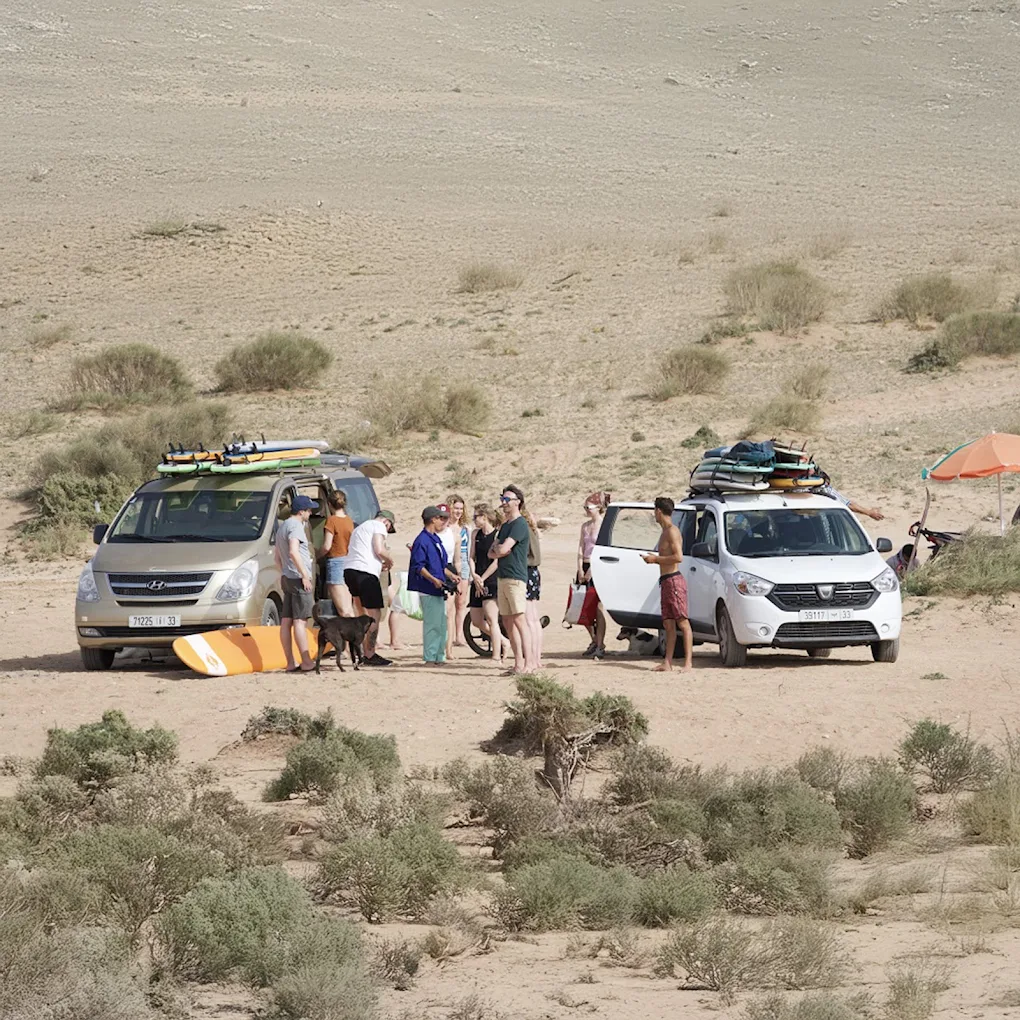
From Taghazout centre, Anchor Point is a 10-minute walk north along the coastal road. Look for the large car park at the top of the cliff — you will almost always see rental cars, vans, and surfers doing the walk of shame (or glory) down to the water.
If you are staying at a surf camp in Taghazout or Tamraght, your guides will handle transport. This is one of the biggest advantages of booking a camp: local drivers know exactly when Anchor Point is firing and will get you there before dawn. Book your surf trip and leave the logistics to us.
The Lineup — Local Etiquette & Crowd
Anchor Point can get crowded. On a good winter day, expect 30 to 50 surfers in the water. The lineup operates on a loose hierarchy that all visiting surfers should respect:
- Local surfers get priority. Many of them have been surfing here since childhood. Watch how they position themselves and follow their lead. Do not paddle around a local who is sitting deeper than you.
- Sit on the shoulder and wait your turn. The peak is competitive, but there are always waves coming through. Patience is rewarded.
- Do not snake. This is a universal rule, but at Anchor Point it is enforced with more than just words. Respect the rotation.
- Share waves on the inside. Because the wave is so long, it is common — and appreciated — to share a wave with someone who has paddled back out if there is a section they can pick up.
Moroccan surf culture is warm and welcoming, but it demands respect. Greet people in the lineup, smile, wait your turn, and never assume priority. A good attitude goes a long way — and so does booking a camp with local instructors who know the regulars personally.
Hazards & What to Watch Out For
- The reef. Anchor Point breaks over rock and reef, especially at the take-off zone. At low tide, the reef can be inches below the surface. Booties are strongly recommended. If you wipe out on the take-off, cover your head and try to fall flat.
- Strong currents. The rip that runs along the point can sweep you down the coast surprisingly fast. Paddle wide rather than fighting it head-on, then use the channel on the inside to get back to the peak.
- Sea urchins. The rocky entry and exit at Anchor Point harbour plenty of sea urchins. Wear reef booties and watch your footing, especially if you are walking down the rocks at low tide.
- Hold-downs on big days. At 6 ft+, Anchor Point packs serious power. Two-wave hold-downs can occur if you go over the falls. Stay calm, conserve your energy, and wait for the turbulence to ease before surfacing.
The most common mistake at Anchor Point? Paddling out at dead low tide on a big day. The reef is exposed, the take-off is terrifying, and you'll spend more time dodging rocks than riding waves. Wait for the tide to push in.
What Board & Equipment to Bring
| Item | Recommendation |
|---|---|
| Surfboard | 6'0"–6'6" shortboard or step-up (6'8"–7'2" for bigger days) |
| Wetsuit (winter, Nov–Mar) | 4/3 mm fullsuit |
| Wetsuit (shoulder, Oct & Apr) | 3/2 mm fullsuit |
| Wetsuit (summer, May–Sep) | 3/2 mm or boardshorts + 2 mm top |
| Booties | 3 mm reef booties — essential year-round |
| Accessories | High-SPF zinc, ear plugs, leash (6' comp or 7' regular) |
Most surf camps in Taghazout provide quality rental equipment included in the package. If you are unsure about bringing your own board, we recommend using camp equipment — it is one less thing to worry about at the airport, and you will be surfing boards that are proven performers on Moroccan waves. See our full equipment guide for a complete packing list.
Local Tips from Our Moroccan Guides
"The secret to Anchor Point is the early morning session. At sunrise, the wind is offshore, the crowd is thin, and the light over the Atlantic is unforgettable. I have surfed this wave a thousand times, and dawn patrol at Anchor still gives me chills every time."
— Youssef, SurfAgencyMorocco guide, 12 years surfing Taghazout
- Arrive before sunrise for the glass-off session.
- Watch the wave for 10 minutes before paddling out — note where the peak is and where the sets are breaking.
- Sit on the shoulder, not the peak, if it is your first time here.
- Bring water and a snack — Anchor sessions can easily last 3 hours.
- After your session, walk 5 minutes to Café Mouja (or the nearest café) in Taghazout for a mint tea — it is a ritual.
After a big winter swell, the sand at the inside section shifts and creates a new bank. The peak can move up to 50 metres north or south from one month to the next. Always watch a full set or two before committing to your position.
Other Waves Nearby
Within a 15-minute drive of Anchor Point, you will find several other world-class waves:
- Killer Point (5 min south) — A longer, more mellow right-hander perfect on bigger swells when Anchor is maxing out.
- Hash Point (Taghazout centre, 10 min south) — Shorter, punchier right with a steep take-off.
- Panoramas (5 min north) — Fun, playful beach break between Anchor and the next village north.
- Mysteries (a few minutes north) — A lesser-known slab that works on specific swell and tide combinations. Only suitable for experienced surfers. Ask your guide if conditions are right.
The Perfect Anchor Point Day — A Timeline
Wake up. Your guide checks the conditions.
Dawn patrol. Offshore wind, empty lineup, glassy walls.
Coffee & msemen at a local café overlooking the point, watching the sets roll in.
Second session. The tide fills in, the wave gets smoother.
Lunch at a Taghazout rooftop. Tagine, fresh salads, mint tea.
Afternoon free surf or video analysis with your coach.
Rooftop dinner, stories from the lineup, planning tomorrow's session.
Anchor Point Trip Checklist
- Book your flights to Agadir (AGA) at least 6 weeks ahead for winter trips
- Reserve your surf camp — spots fill up by October for the winter season
- Pack a 4/3mm wetsuit for winter, 3/2mm for shoulder season
- Bring reef booties (non-negotiable)
- Pack high-SPF zinc sunscreen and a reusable water bottle
- Download a surf forecast app (Windy, Surfline, or Windguru)
- Bring a step-up board if you have one; otherwise camp rentals are excellent
- Learn basic French or Arabic greetings — locals appreciate the effort
- Book a camp with local guides who know the tides and secret peaks
Frequently Asked Questions
Ready to Surf Anchor Point?
Our Taghazout Advanced Surf Trip includes guided dawn patrols at Anchor Point, daily transport, luxury riad accommodation, and all meals — from €750 for 8 days.
Last content review: July 2026. This article is periodically reviewed by our team of Moroccan surf guides.
Information that may change over time: Wave conditions and sandbanks shift seasonally. Water temperatures are approximate averages (source: multi-year Atlantic Morocco coastal data). Flight routes and airline availability change — always check current schedules with your airline. Surf camp prices are 2026 season estimates. Café and restaurant availability may vary. GPS coordinates are approximate — use a surf guide for precise take-off positioning.
We recommend: Always check a surf forecast (Windy, Surfline, or Windguru) before paddling out. Verify tide times locally. Consult with your surf camp guide for daily spot selection — conditions change rapidly on the Atlantic coast of Morocco.
Related Articles
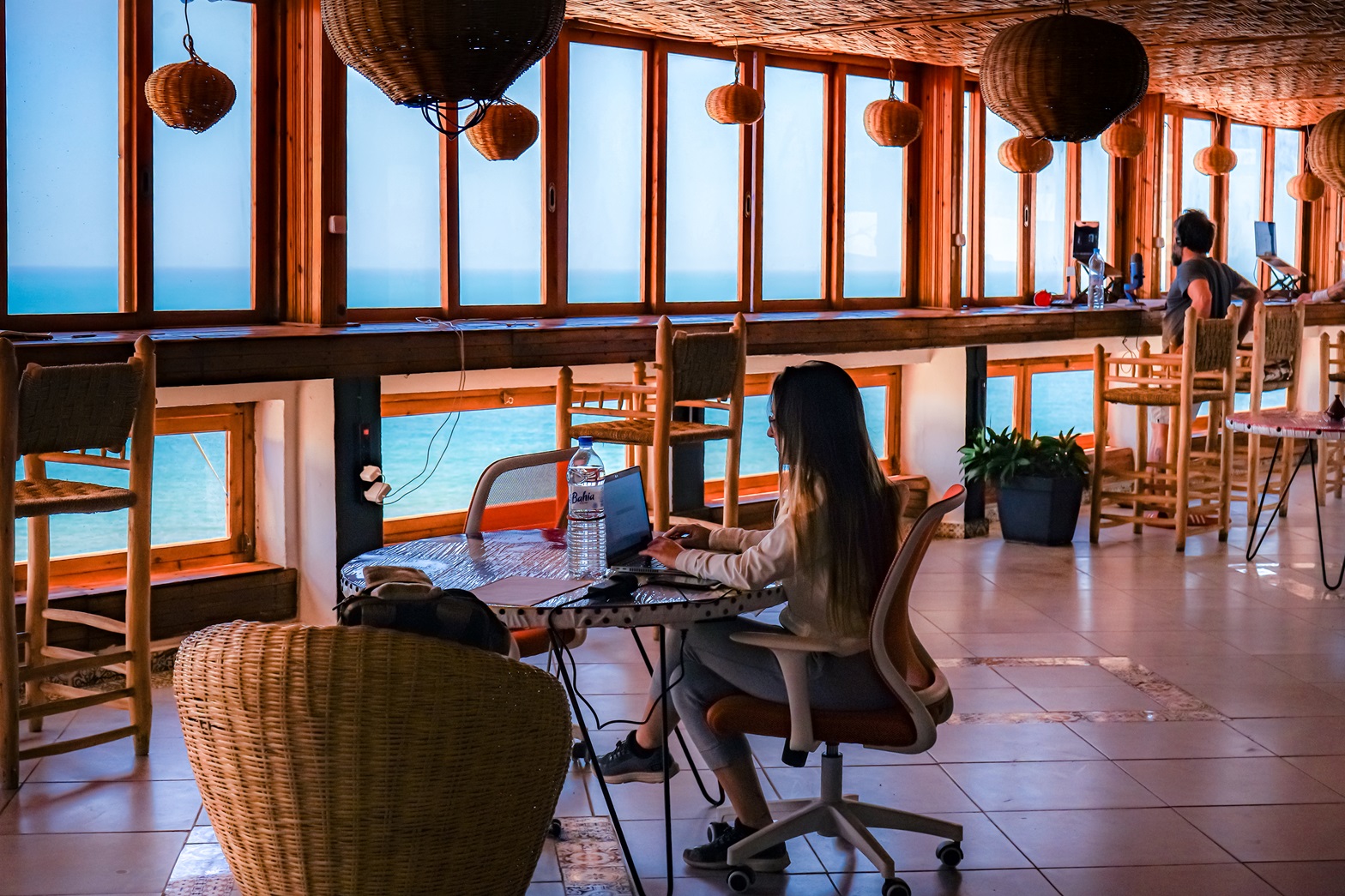
Best Surf Camps in Taghazout (2026)
Honest comparison of the top-rated surf camps — prices, coaching, and what’s included.
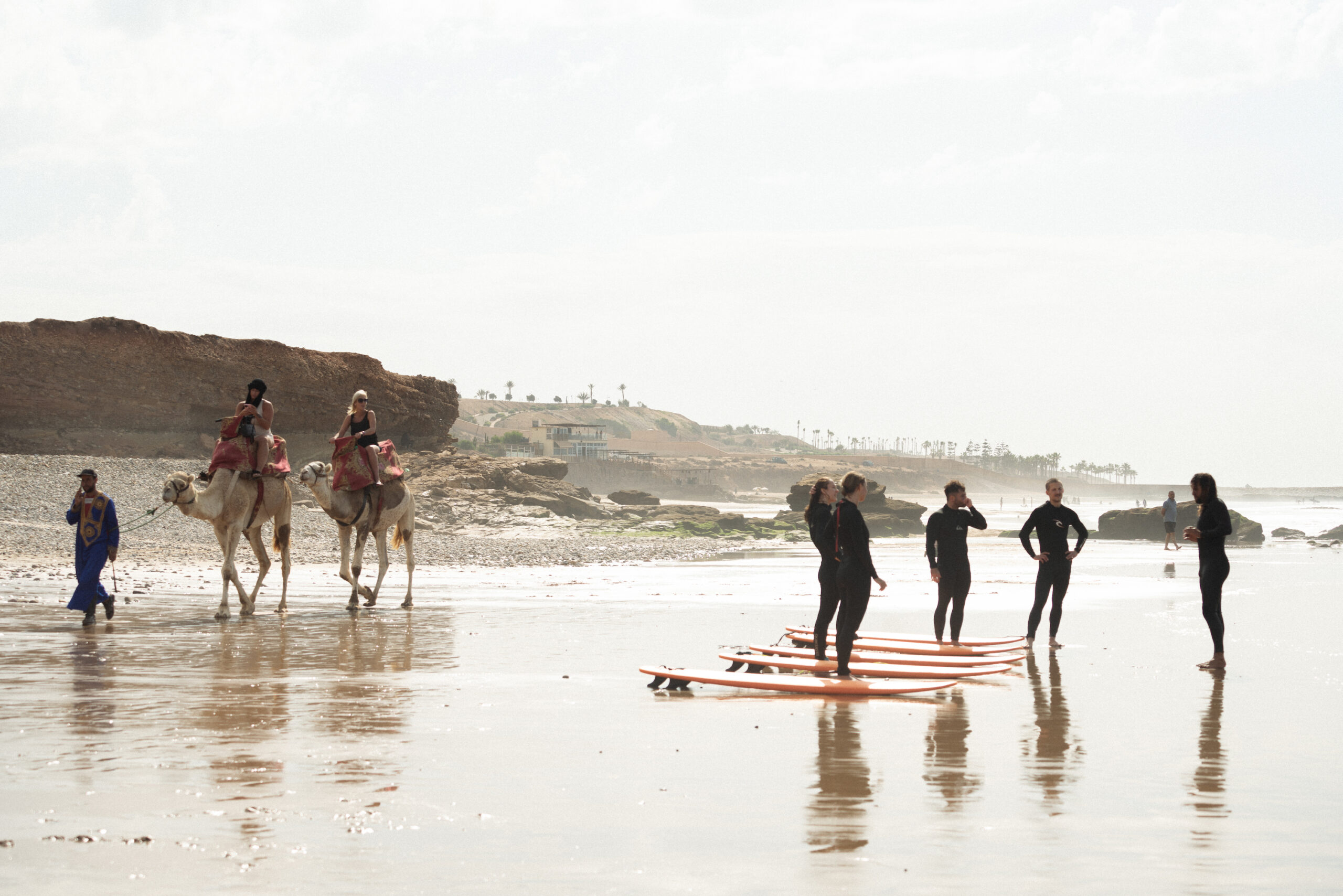
Tamraght Surf Guide
Authentic Berber surf village — beach breaks for all levels, just 10 minutes from Taghazout.
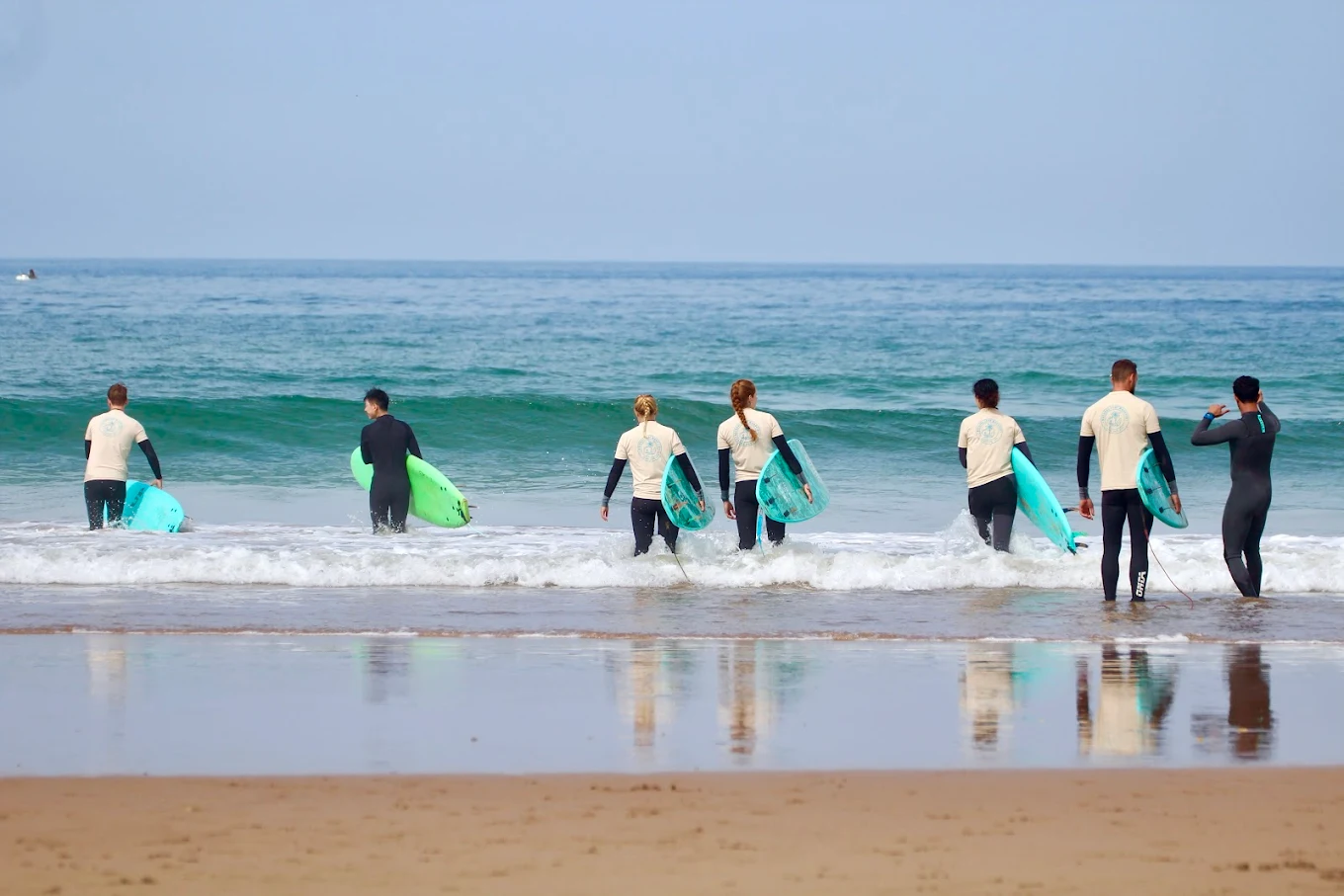
Advanced Surf Morocco
Pro waves, secret spots, and big-swell hunting — for surfers who want the best.